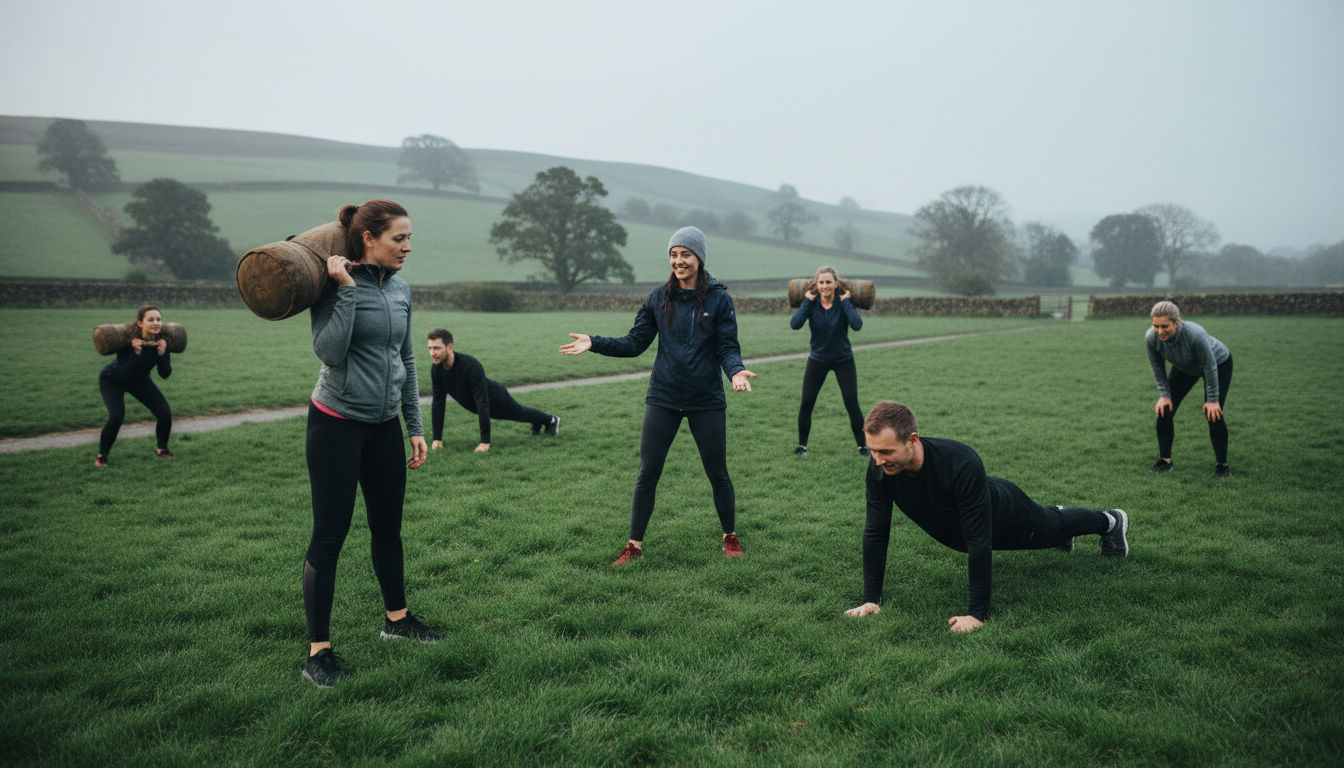
Your workout isn't the whole story
We’ve become very good at separating movement from life.
We go to the gym to exercise.
We go for a run to get fit.
We stretch because we’ve been told we should.
We count our steps.
We track our workouts.
And then we spend the rest of the day sitting.
Somewhere along the way, we started thinking of movement as something that happens during our workout — rather than something that belongs throughout our lives.
But your workout isn't the whole story.
And perhaps it was never meant to be.

Training matters
Let's be clear.
I love a good workout.
I believe in strength training.
I believe in building cardiovascular fitness, mobility, balance and resilience.
I believe that intelligent, progressive training can change how you feel in your body and what you are capable of doing with it.
And I believe good coaching can make a huge difference.
Because sometimes we need someone to challenge us.
To teach us how to move well.
To help us build strength safely.
To notice the things we don't notice ourselves.
To give us a plan when we don't know where to start.
Training matters.
But what we train for matters too.
What are you actually training for?
It's easy for fitness to become about the workout itself.
How much did you lift?
How far did you run?
How many calories did you burn?
How many sessions did you complete this week?
But what if we zoomed out?
What do you want your body to allow you to do?
Do you want to hike a mountain when you're 60?
Surf with your children?
Carry your grandchildren?
Play football in the garden?
Swim in the sea?
Climb trees?
Travel without worrying about your body holding you back?
Wake up feeling capable?
Keep doing the things you love as you get older?

That is where fitness becomes much more interesting.
Because we're not training simply to become better at training.
We're training so we can become better at living.
The workout is preparation
Think of your training as preparation for everything outside the gym.
Strength gives you capacity.
Cardiovascular fitness gives you endurance.
Mobility gives you options.
Balance gives you confidence.
Coordination gives you freedom.
And consistency builds resilience.
The workout is where we deliberately develop those qualities.
But life is where we get to use them.
That's why I don't think we need to choose between structured training and natural movement.
We need both.
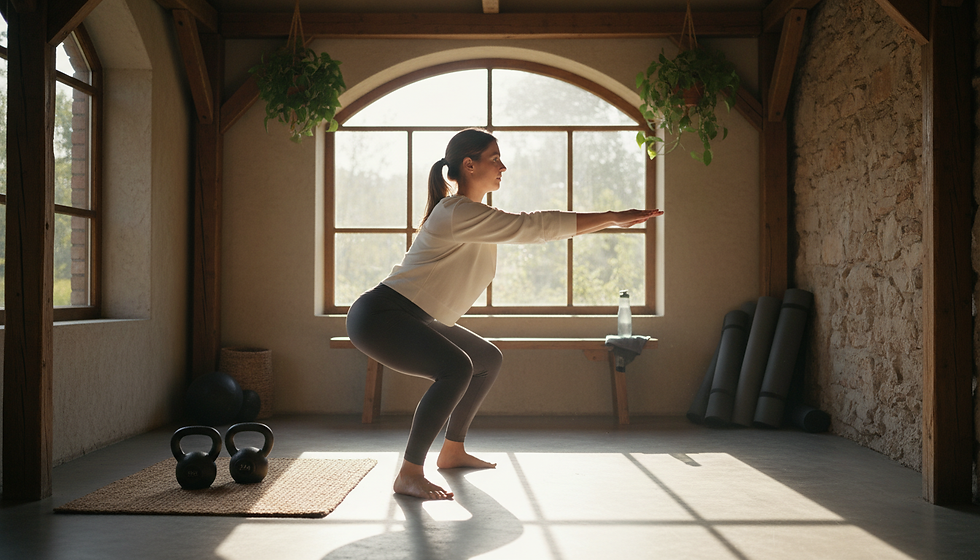
Go to the gym.
Lift weights.
Run.
Practise yoga.
Work with a coach.
Build your fitness.
And then take that stronger, more capable body outside.
Walk through the woods.
Climb a hill.
Swim in the ocean.
Carry your bags.
Play with your children.
Cycle somewhere instead of driving.
Dance in the kitchen.
Explore somewhere you've never been.
Move because you need to.
Move because you want to.
Move because life gives you a reason to.

Fitness shouldn't make your world smaller
There's something slightly backwards about becoming “fitter” while becoming less adventurous.
If your entire relationship with movement becomes:
Monday — workout.
Tuesday — workout.
Wednesday — workout.
...and everything else is sitting, driving and scrolling, perhaps we've missed something.
Fitness should expand your world.
It should make you feel more capable, not more restricted.
It should give you confidence to say yes to the walk.
Yes to the paddleboard.
Yes to the mountain.
Yes to playing with your children.
Yes to carrying the heavy thing.
Yes to getting outside even when it's raining.
Yes to trying something you've never done before.
Your training should support your life, not compete with it.
We don't need to do more. We need to do better.
This doesn't mean every workout needs to be harder.
It doesn't mean you need to train every day.
And it certainly doesn't mean you need to punish yourself into fitness.
It means training with purpose.
Understanding what your body needs.
Building strength where you need strength.
Improving mobility where you lack it.
Developing fitness that supports the activities you love.
And learning how to train in a way that you can sustain for years, rather than weeks.
That's where good coaching comes in.
Because sometimes the hardest part isn't knowing that exercise is good for you.
It's knowing what to do, how much to do, when to push, when to back off and how to make it work alongside an actual life.

Train for the life you want
Perhaps the question isn't:
“What workout should I do?”
Perhaps it's:
“What do I want my body to be capable of?”
Then we work backwards.
If you want to hike — build the strength and endurance to hike.
If you want to surf — train for surfing.
If you want to stay strong as you age — build strength now.
If you want to keep running — build a body that can support running.
If you want to play with your children without your back complaining — train for that.
If you simply want to feel strong, energised and at home in your body — start there.
Your training can be incredibly specific.
But its purpose is beautifully simple:
To help you live well.
Because the goal isn't to spend your life becoming fitter so you can spend more of your life exercising.
The goal is to build a body that allows you to experience more of life.

More movement.
More adventure.
More confidence.
More freedom.
More years doing the things that make you feel alive.
Train for life.
Then go and live it.
Wildspan — Move better. Live wild.


Comments