The Joy of Watching Children Discover the Magic of Nature
There are moments in parenting that arrive quietly, with muddy feet, open hands, and the soft buzz of bees moving between flowers.
For me, some of the most fulfilling moments come from watching my children step into the garden and become part of it. Not just looking at nature, but feeling it. Digging in the soil. Touching bark. Smelling petals. Listening for birds hidden in the branches. Their whole bodies seem to wake up outdoors.
Flowers are easy to pass by. We see them in gardens, parks, hedgerows, and pots by front doors, and often we forget how extraordinary they are. To a child, though, a flower is not background. It is colour, scent, texture, movement, and mystery all at once.

Flowers invite children to use every sense
A flower is one of the simplest treasures in the world, yet it offers such a rich experience.
Children do not just see flowers. They lean in close. They touch the petals with careful fingers. They notice the soft parts, the waxy leaves, the fine dust of pollen, and the way one bloom smells sweet while another smells earthy or green.
Then there is the sound around flowers. The low hum of bees. The rustle of leaves. The flutter of a butterfly landing and lifting away again. These small sounds often disappear beneath adult busyness. Children bring them back into focus.
When we were planting flowers through our garden, I noticed something that made me pause. We had not even put the plants into the ground yet. They were still sitting in their pots, placed around the beds while we decided where they would go. Already, the bees had arrived. Butterflies too.
It was as if the garden had sent out an invitation before we had finished preparing the table.
My children saw it straight away. Their eyes followed every movement. They crouched still and watched the insects move from flower to flower. No screen could have held them that way. No toy could have created the same quiet fascination.
The garden was alive, and they knew it.
Soil has its own kind of magic
There is something deeply grounding about seeing children with their feet in the soil.
They dig without worrying about getting dirty. They scoop earth into their hands. They press it, crumble it, move it from one place to another, and examine every worm, root, stone, and tiny crawling creature they find.
As adults, we often think of soil as mess. Children understand it differently. To them, it is possibility. It is where flowers sleep before they rise. It is where insects travel. It is cool, soft, gritty, damp, and full of surprises.
Watching my children plant flowers gives me a sense of peace I find hard to put into words. They are not rushing. They are not performing. They are simply there, present with the earth.
They ask whether the plant will be happy. They wonder how deep the roots go. They worry about the bees having enough food. They want to water everything, sometimes a little too generously. It is tender and funny and beautiful.
That simple act of planting becomes more than a job in the garden. It becomes a lesson in care. A child learns that living things need time, space, water, light, and gentleness.
Children teach us to look closer
One of the greatest gifts children give us is their attention.
On walks, my children notice things I would have missed. A tiny feather caught in the grass. A curled leaf shaped like a boat. A stone with a stripe through it. A patch of moss at the base of a wall. A beetle making its slow and serious journey across the path.
Their wonder slows me down.
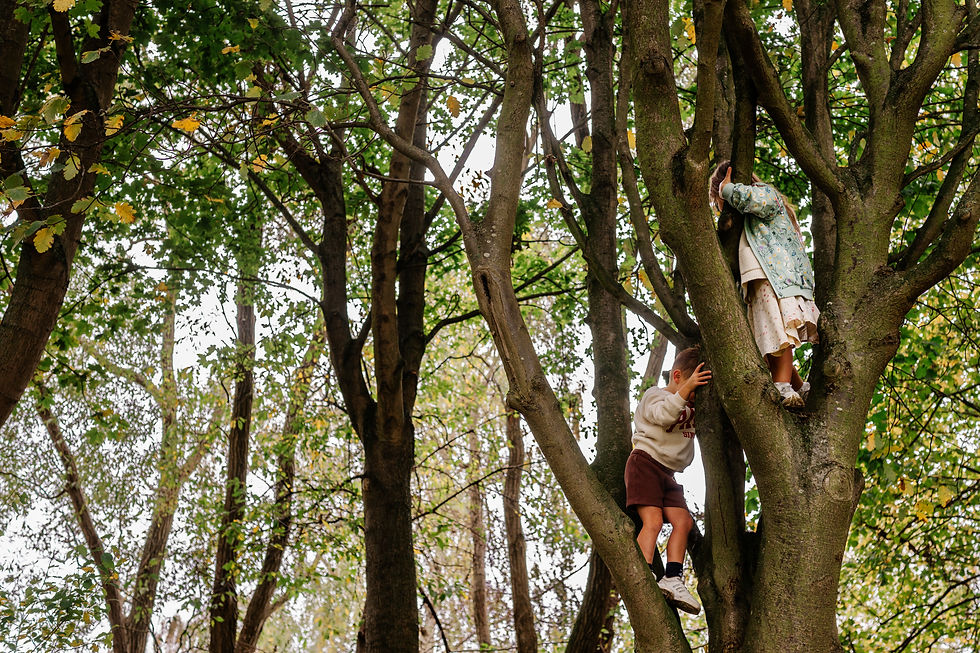
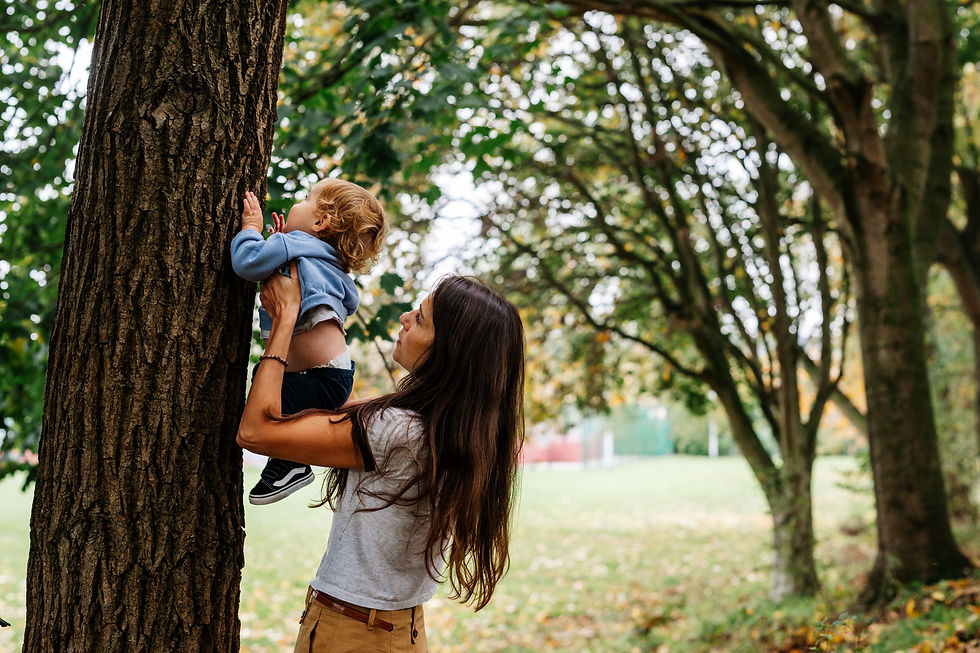
They touch tree bark and feel how rough it is beneath their hands. They trace the grooves and bumps as if they are reading a story. I can almost see ideas forming in their minds. Why is this tree different from that one? How old is it? Does anything live inside it? Has it always been here?
Then a bird calls, and the questions come quickly.
Who is making that sound? Where are they? Are they building a nest? Are they flying somewhere warmer? Is there a baby bird nearby?
These questions are not interruptions. They are signs of connection. They show that children are listening to the world and trying to understand their place within it.
Nature gives children treasures we could never make
Sticks, stones, leaves, feathers, seed heads, shells, and pine cones often become the most precious finds.
They may come home in pockets, buckets, pushchairs, or clenched little fists. To grown-up eyes, they can look ordinary. To children, they are discoveries. Each one has been chosen, carried, and valued.
There is something humbling about that.
The natural world was not made by us. It is older than we can imagine. Long before our gardens, fences, roads, and houses, there was earth, water, sky, stone, root, and seed. Children seem to sense that ancient beauty without needing it explained.
They do not need nature to be perfect or tidy. A muddy puddle, a fallen branch, or a handful of leaves can be enough. They find magic in what is already there.
That reminds me to stop taking it for granted.
We have been given a beautiful earth to enjoy, but also to protect. Watching children love it makes that truth feel even stronger. If they grow up noticing bees, caring for flowers, respecting trees, and wondering about birds, they may also grow up knowing that the land matters.
We are custodians of the land
I truly believe we are custodians of the land.
That word feels important. It means we are not owners in the careless sense. We are caretakers. We are here for a time, and while we are here, we have a responsibility to look after what we have been allowed to enjoy.
In a family garden, that can start small.
We can plant flowers that feed pollinators. We can leave a few wild corners. We can teach children not to pull up every living thing just because they can. We can show them how to water gently, return stones after looking underneath, and watch insects without harming them.
These small habits matter because they shape how children see the world. Nature becomes something to know, not something separate from them. The earth becomes a gift, not a backdrop.

The joy of watching children discover the magic of nature is that their wonder becomes our own again. They remind us to look closer, listen more carefully, and feel the rough bark, soft petals, cool soil, and moving air.
They help us remember that the world is not ordinary.
It is alive. It is generous. It is worth caring for. And when I see my children standing in the soil, eyes bright with questions, my heart feels full.


Comments