Learn from Children How Natural Movement Makes Us Fit for Life
A child sees a hill and runs up it because the hill is there. No warm-up playlist. No plan. No guilt. Just a sudden spark in the body that says, “Go.”
Many adults spend years trying to make movement feel natural again. We count steps, book classes, track heart rates, and promise ourselves we will be more disciplined next week. There is nothing wrong with structure, especially when it helps us care for our bodies. But somewhere along the way, movement can become another task to complete.
Children remind us that the body was made to move before movement was turned into exercise. They wriggle, roll, climb, sprint, squat, hang, crawl, spin, and rest. They test edges. They pause when they have had enough. They find joy in effort.
Maybe being fit for life begins by remembering what children already know.

Children move before anyone teaches them how
Movement starts long before a child takes a first step. Babies kick, stretch, roll, reach, twist, and push. They do not need a reason. Movement is how they explore their body and the world around them.
Watch a toddler trying to stand. They fail, wobble, drop, try again, and laugh. No one has to explain progressive overload. They naturally repeat the thing that challenges them until the body learns.
That kind of learning is physical, but it is also emotional. A child discovers, “I can do this.” They learn balance by losing balance. They learn strength by pulling themselves up. They learn confidence through small experiments.
Adults often separate movement from life. We put it in a box called a workout. That can be useful, but it can also make movement feel distant from the rest of the day.
Children show a different pattern:
They move often, not only at set times.
They change positions without thinking.
They use the ground, furniture, steps, trees, walls, and slopes.
They repeat what feels exciting.
They stop when tired, then return later.
This is not childish. It is deeply human.
Joy makes movement easier to return to
Children rarely run because running is good for their cardiovascular system. They run because someone shouted “race you”. They climb because the sofa looks like a mountain. They jump because a puddle is asking for it.
That matters because joy creates a pull. If movement always feels like a punishment for eating, sitting, ageing, or not looking a certain way, it becomes heavy. If movement carries even a small amount of delight, it becomes easier to come back to.
Enjoyment is not a soft extra. It is one of the reasons movement lasts.
This does not mean every walk, lift, stretch, or class will feel fun. Some days the body feels stiff. Some seasons are busy. Sometimes health, injury, disability, tiredness, or stress changes what is possible. This is general wellbeing information, not medical advice, and anyone with pain or a health condition should seek suitable guidance.
Still, most people can ask a simple question: what kind of movement would I choose if I did not have to prove anything?
It might be:
Walking fast up a lane just to feel the lungs work.
Carrying shopping home instead of driving.
Dancing in the kitchen.
Sitting on the floor to read, then getting back up again.
Taking the long path through the park.
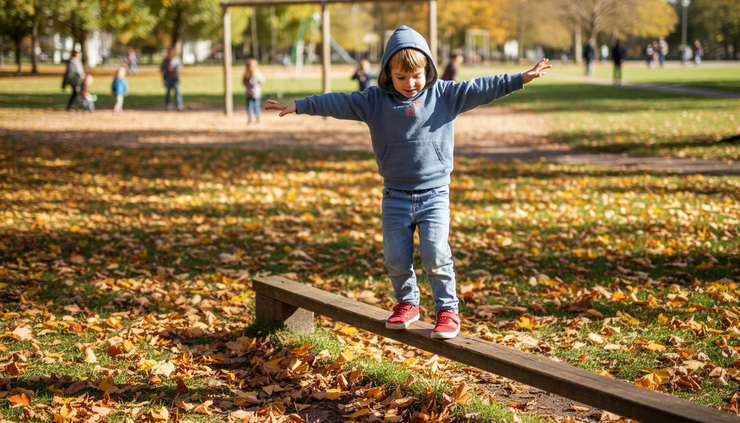
Balancing along a low wall.
Running up a hill because the urge is still there.
That last one matters. Many adults still feel the impulse. Then a second voice arrives and says, “Don’t be silly.” Children have not yet learned to obey that voice.
Natural movement teaches us to listen
Children push themselves, but they also stop in a way adults often forget. They sprint, then fold over laughing. They climb, then sit. They spin, then collapse on the grass. Their energy comes in waves.
Adults can become suspicious of rest. We override tiredness, then feel frustrated when the body resists. Or we avoid effort completely because we link it with pressure. Children show a healthier rhythm: effort, feedback, adjustment, rest.
Natural movement is full of tiny decisions. Step higher. Reach further. Slow down. Try again. Stop now. This builds body awareness, which is the quiet skill behind lifelong fitness.
A structured programme may tell you what to do. The body tells you how it feels today.
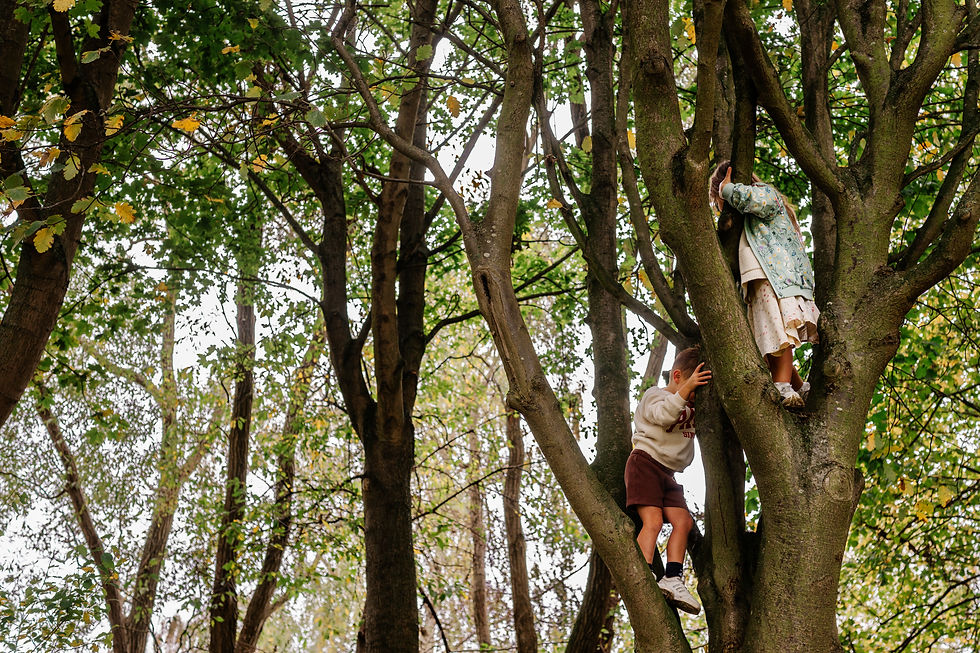
Both can matter. The problem starts when the plan becomes louder than the body. A child climbing a tree keeps checking grip, height, fear, excitement, and strength. That constant feedback helps them choose the next move.
Adults can practise the same awareness in simple ways. During a walk, notice whether the body wants a quicker pace or an easier one. While stretching, notice the line between useful tension and strain. While lifting something, notice posture, breath, and control.
Listening does not mean doing less. It means moving with attention.
Fitness for life is built outside the gym too
Gyms, classes, sports clubs, and training plans can be brilliant. They offer focus, coaching, community, and measurable progress. But fitness for life cannot depend only on perfect conditions.
Children do not wait for ideal equipment. A kerb becomes a balance beam. A staircase becomes a challenge. A patch of grass becomes a place to roll. A hill becomes an invitation.
Adults can bring some of that back without turning life into a workout. The aim is not to perform childhood. The aim is to make movement feel available again.
Try looking for small invitations:
Take stairs when your body feels ready for them.
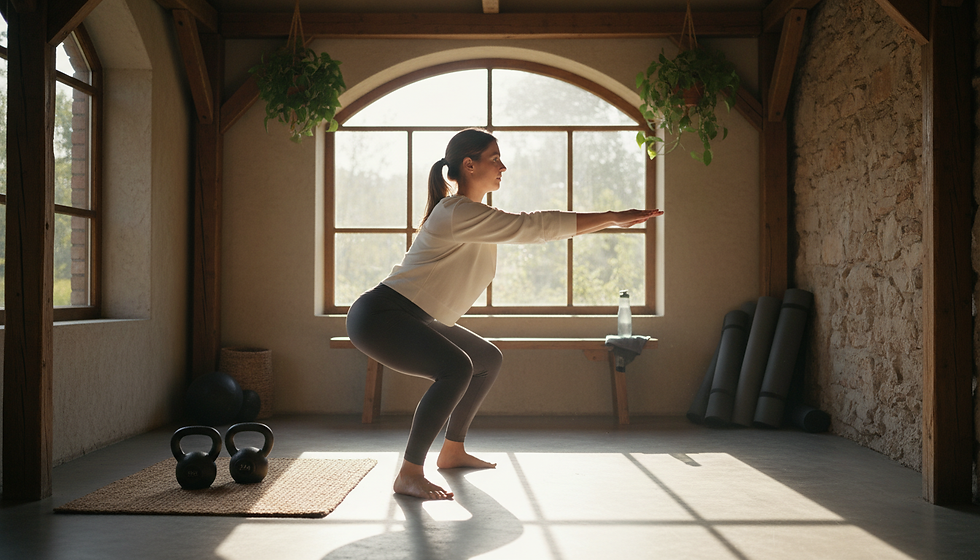
Squat down to pick something up instead of always bending from the waist.
Walk on uneven ground when it is safe.
Carry things in your arms rather than always using a trolley.
Get down to the floor and stand back up.
Add short bursts of pace to a walk.
Play a physical game without worrying how it looks.
These moments may seem too small to count. But a body becomes capable through repeated use. Children know this without naming it. They collect movement all day.
The deeper lesson is attitude. Children do not see movement as a moral duty. They see it as part of being alive. That shift can soften the pressure many adults feel around fitness.
When movement becomes a place to explore, it stops being only about discipline. It becomes about contact with the world.
The takeaway is to keep the invitation open
We do not need to copy children exactly. Adult bodies carry different histories, limits, strengths, and responsibilities. But we can learn from their honesty.
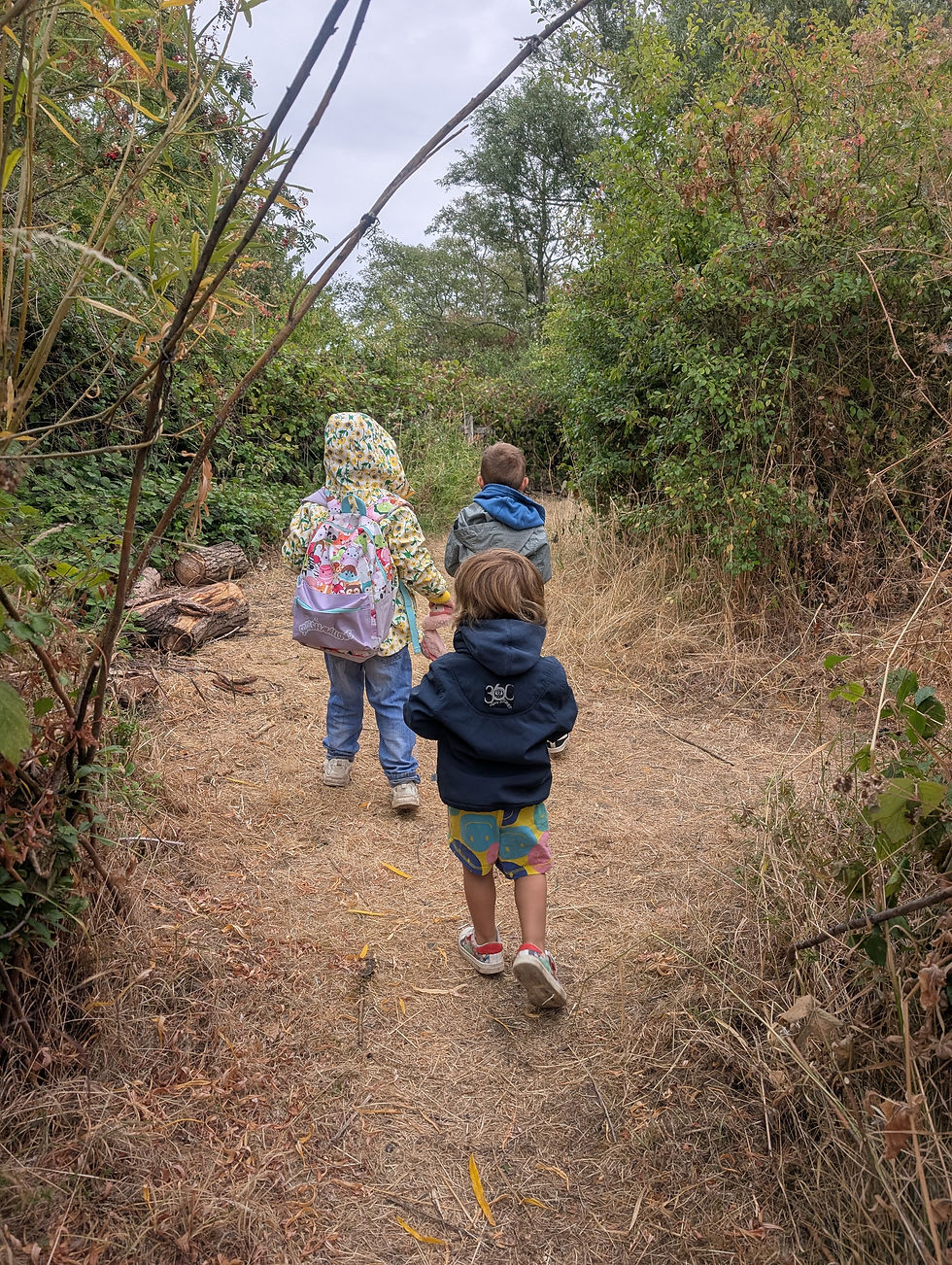
They move when they feel drawn to move. They rest when they are spent. They repeat what delights them. They treat the world as something to touch, climb, balance on, run through, and explore.
So the next time a hill catches your eye, listen for the first response before the sensible voice arrives. Maybe walk up it. Maybe run a few steps. Maybe pause at the top and feel your breath.
Being fit for life is not only about what happens in a scheduled session. It is also built in those ordinary moments when the body remembers that movement can be playful, useful, challenging, and free.

Comments